November 16, 2026
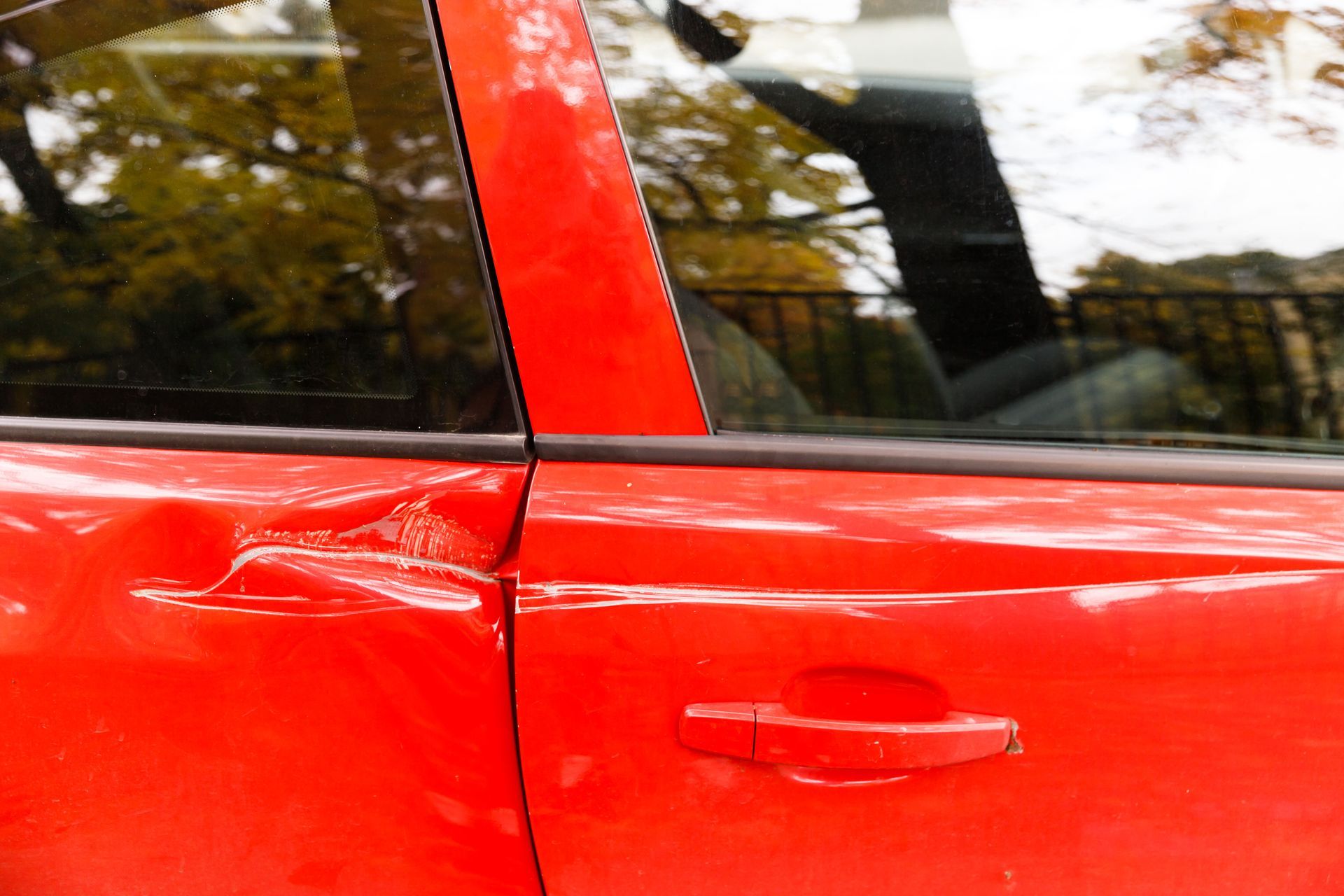
Modern vehicle designs utilize resilient exterior materials that mask underlying structural issues from the untrained eye. Drivers routinely assume that minor collisions merely cause superficial scratches along the outer painted shell. This dangerous assumption leads to severe mechanical failures when compromised internal components go completely unnoticed for extended periods. When people experience minor fender benders, they mistakenly believe the impact forces simply vanished into thin air without causing deeper skeletal harm.
The underlying reality of contemporary automotive engineering paints a much more complex picture regarding modern collision dynamics. Exterior composite panels flex inward and subsequently return to their original shape after absorbing immense kinetic energy. However, the rigid internal metal skeleton absorbs the brunt of this violent force and frequently bends permanently out of proper alignment. Reliable auto body shops understand that this hidden internal distortion fundamentally jeopardizes the entire safety structure of the affected vehicle.
Misconceptions About Minor Collisions
Many vehicle owners falsely equate the pristine appearance of an outer shell with the overall health of the car. They mistakenly assume that if the paint remains completely unscratched, the rigid steel framework underneath must also be perfectly intact. This visual bias causes drivers to drastically delay necessary inspections and recklessly continue driving severely compromised vehicles. Unseen warping within the chassis slowly degrades steering alignment and severely compromises tire wear over extended periods.
The advanced materials used in modern outer covers possess incredible elasticity and impressive physical memory properties. Polyurethane components easily snap back into place even after absorbing massive amounts of destructive kinetic energy. Beneath this flexible exterior facade, rigid steel structures inevitably crumple to protect the occupants residing safely inside the cabin. Experienced auto body shops possess the specialized diagnostic equipment necessary to measure and detect these highly dangerous misalignments.
Relying solely on basic visual exterior inspections without utilizing advanced laser measuring systems guarantees a catastrophic diagnostic failure. The naked human eye simply cannot perceive the incredibly subtle chassis deviations that severely impact vehicle handling and suspension geometry. Professional repair technicians rely upon detailed computerized databases to meticulously compare the current frame dimensions against exacting factory engineering specifications. Accurate technical diagnostics successfully prevent seemingly minor misalignments from evolving into incredibly dangerous mechanical breakdowns.
Consequences of Ignoring Underlying Issues
Failing to address concealed structural bending creates a cascading effect of progressive automotive deterioration. Suspension components wear out prematurely because the vehicle no longer travels cleanly along a perfectly straight physical path. Tires suffer uneven degradation and require frequent replacements due to the constant pulling and dragging forces exerted by the twisted frame. Ultimately, the overall usable lifespan of the vehicle drops drastically when foundational structural problems remain willfully ignored by the owner.
Vital safety mechanisms depend entirely upon a pristine skeletal structure to function effectively during terrifying emergencies. Airbag deployment sensors heavily rely on specific impact timing that becomes fatally skewed when the chassis is already permanently deformed. Furthermore, crumple zones designed to absorb extreme crash forces cannot perform correctly if they have previously collapsed during a prior incident. Most reputable auto body shops refuse to compromise on structural repairs precisely because passenger safety constantly hangs in the balance.
Severe financial repercussions rapidly multiply when foundational damage goes untreated for extended periods of daily driving. Insurance claims become incredibly complicated if subsequent accidents occur while preexisting structural damage remains thoroughly documented on the vehicle history. Paying out of pocket for accelerated mechanical wear and tear eventually vastly exceeds the upfront cost of immediate structural realignment. Proactive vehicle maintenance always proves much more economical than reacting frantically to sudden catastrophic mechanical failures.
Indicators of Serious Structural Shifts
Drivers must constantly remain vigilant and pay close attention to unusual behavioral changes in their daily vehicles. A vehicle that constantly drifts toward the edge of the road likely suffers from severe frame misalignment requiring immediate intervention. Unusual vibrations radiating through the steering wheel often indicate that the suspension geometry no longer matches the original factory parameters. Even subtle differences in the way passenger doors close can clearly signal that the surrounding structural pillars have shifted improperly.
Listening closely to the sounds a car makes provides an additional crucial layer of diagnostic information. Squeaking or creaking noises while navigating tight corners frequently point toward immense physical stress on warped metal chassis components. Suspension parts grinding against bent structural members create undeniable auditory warnings that demand immediate professional repair attention. Trained specialists at local auto body shops listen intently for these specific acoustic cues during their comprehensive physical vehicle assessments.
Visual cues extend far beyond the immediate impact zone and often manifest in completely unexpected locations across the vehicle. Uneven gaps between exterior panels, such as the space between the hood and the fenders, strongly indicate a twisted internal chassis. The trunk lid might suddenly require extra downward force to latch securely because the rear structural rails have collapsed. Identifying these subtle physical irregularities requires immense patience and a keen intellectual understanding of complex automotive geometry.
Proper diagnosis demands highly technical knowledge and extensive practical experience working directly with severely damaged chassis systems. According to the U.S. Bureau of Labor Statistics, automotive repair technicians frequently complete 24 to 36 months of practical apprenticeship prior to operating entirely independently. This rigorous educational background ensures that trained technicians can accurately interpret obvious and subtle signs of critical structural failure. Trusting inexperienced individuals with such complex diagnostic procedures usually results in grossly incomplete or dangerously inadequate vehicle repairs.
Solutions for Complete Vehicle Restoration
Modern repair facilities utilize sophisticated technology to forcefully pull bent steel back into its original factory shape. Hydraulic pulling machines apply massive amounts of carefully calculated pressure to stretch the warped metal with absolute pinpoint precision. Highly specialized computerized measuring systems continuously monitor the shifting structural dimensions during the pulling process to ensure perfect realignment. Only elite auto body shops invest heavily in these essential hydraulic frameworks to guarantee absolutely flawless vehicle restoration results.
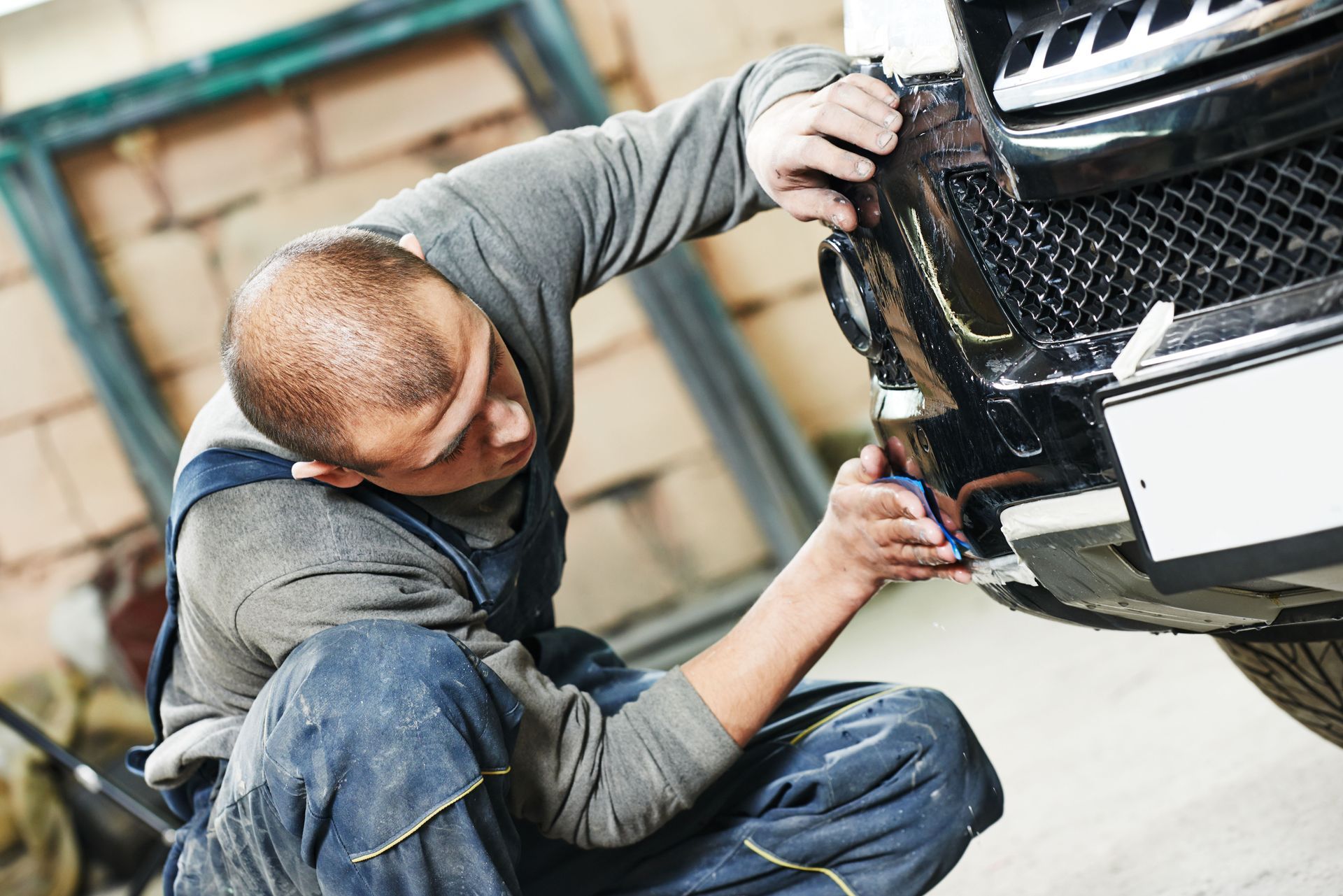
Completely restoring a vehicle goes far beyond merely hammering out exterior dents and applying fresh layers of glossy paint. Technicians must carefully analyze the underlying metallurgy of the chassis to determine if the structural steel has weakened significantly. High-strength steel alloys require specific welding techniques to maintain their massive tensile strength after enduring a violent collision. Quality auto body shops follow these strict manufacturer repair guidelines to ensure the crashworthiness of the automobile remains uncompromised.
Complete transparency during the complex repair process successfully builds crucial trust between dedicated mechanics and worried vehicle owners. Quality repair centers provide highly detailed printouts showing the initial and final laser measurements of the entire vehicle frame. These vital documents visually prove that the chassis has been perfectly returned to the exact specifications demanded by the original engineers. Consulting with trusted auto body shops ensures that every structural anomaly gets addressed with uncompromising professional dedication and absolute precision.
Understanding the severe risks associated with hidden collision damage empowers drivers to make highly intelligent preventative maintenance decisions. Minor exterior impacts frequently disguise catastrophic foundational shifts that continuously threaten the safety of everyone sharing the public roadways. Ignoring these invisible dangers inevitably leads to premature mechanical wear, terrifying safety failures, and massive financial burdens. Responsible vehicle ownership mandates thorough structural inspections following any physical incident, regardless of how superficial the exterior damage appears.
The specialized knowledge required to fix internal skeletal structures highlights the absolute importance of professional automotive technicians. Attempting to simply buff out a scratched plastic bumper while completely ignoring the twisted metal underneath constitutes gross operational negligence. Proper structural restoration requires an unwavering professional commitment to detailed laser diagnostics and incredibly advanced hydraulic realignment procedures. Relying on highly rated
auto body shops remains the absolute best defense against the hidden foundational dangers of modern automotive collisions.
We at Sanders Custom Paint LLC want to ensure your vehicle remains safe for the open road. Our experienced technicians invite you to schedule a comprehensive frame inspection with us today. We promise to provide honest mechanical assessments and fully restore your peace of mind with our dedicated automotive services.