October 14, 2026
A vehicle’s exterior plays an important role in its appearance, protection, and long-term value. Paint is more than a decorative surface because it also creates a barrier between the vehicle’s body and environmental conditions that can contribute to deterioration. Visiting a professional car painting shop gives vehicle owners access to specialized preparation methods, quality automotive coatings, experienced technicians, and equipment designed to produce consistent results. According to Statista, more than 60% of auto body shops in the US offer car paint services as part of their repair packages. This widespread availability highlights the important role professional painting plays in restoring vehicles after damage and maintaining their appearance. Whether the goal is restoring faded paint, changing a vehicle’s color, repairing damaged areas, or improving resale appeal, professional service can provide both cosmetic and practical benefits.
Enhancing the Vehicle’s Aesthetic Appeal
One of the primary reasons drivers invest in professional painting is to improve the overall appearance of their vehicles. Years of sunlight, road debris, weather exposure, washing, and ordinary use can leave paint faded, scratched, chipped, or uneven. A professional car painting shop can address these imperfections through careful preparation and controlled paint application. Rather than simply covering existing damage, technicians can inspect the surface, correct flaws, and prepare the body so the new coating adheres properly.
Professional services also give owners considerable freedom when selecting colors and finishes. A driver may want to restore the original factory color, choose an entirely different shade, or incorporate a finish such as metallic, pearl, matte, or high gloss. Digital color-matching technology can help technicians reproduce existing colors when only part of a vehicle requires painting. Accurate matching is particularly important after collision repairs because newly painted panels should blend naturally with surrounding areas.
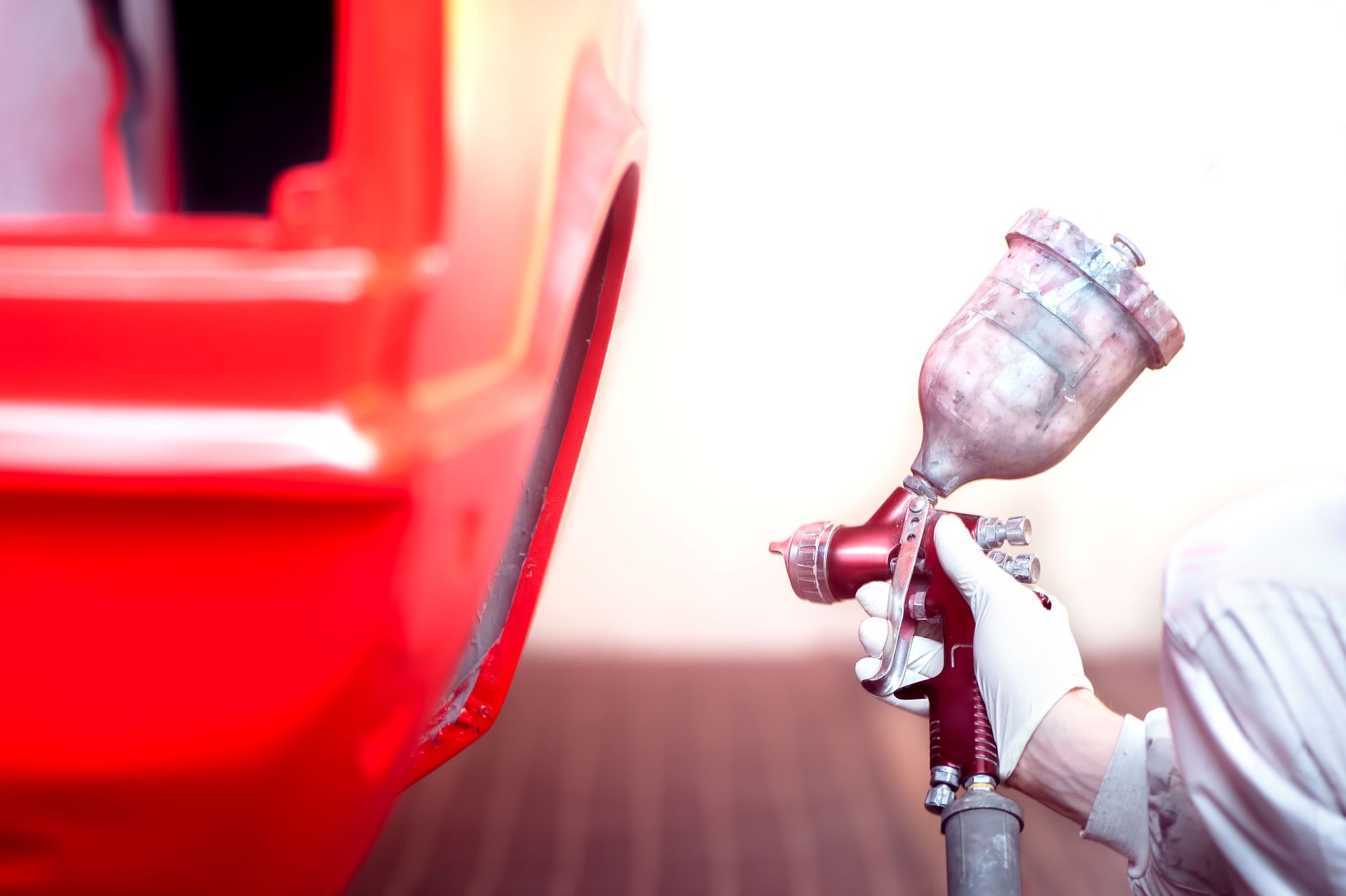
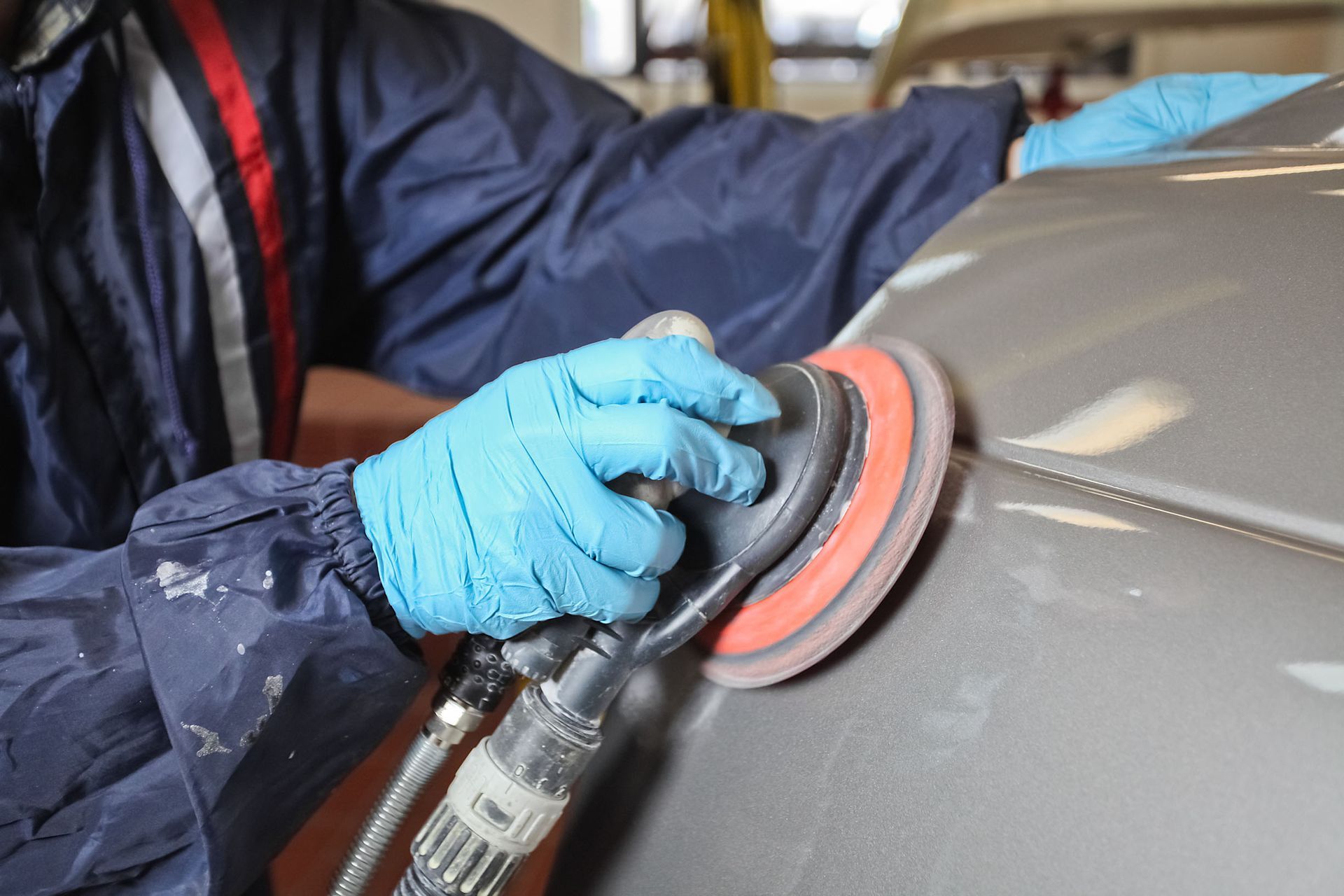
A quality finish depends heavily on preparation. Technicians may clean, sand, repair, mask, and prime surfaces before applying color. These steps help eliminate blemishes that might otherwise remain visible beneath fresh paint. Professional spray equipment can then distribute coatings evenly across panels, reducing the likelihood of drips, streaks, inconsistent coverage, and other imperfections commonly associated with inexperienced application.
Restoring Faded and Damaged Paint
Automotive paint naturally experiences wear as a vehicle ages. Ultraviolet radiation, moisture, pollutants, road salt, dirt, and temperature fluctuations can gradually affect its color and finish. Faded paint may cause an otherwise dependable vehicle to appear much older than it actually is. Professional restoration can rejuvenate worn surfaces and give the exterior a cleaner, more consistent appearance.
Technicians at a car painting shop can evaluate existing paint to determine how much preparation is necessary before refinishing begins. Some vehicles may require correction of small chips and scratches, while others may need extensive sanding or removal of deteriorated coatings. Identifying these differences before painting helps establish an appropriate restoration process instead of relying on a one-size-fits-all approach.
Paint restoration can also reveal problems hidden beneath an aging finish. Chips or damaged coatings may expose metal surfaces to moisture, increasing the possibility of corrosion. Addressing these areas during preparation allows technicians to correct visible deterioration before applying primers, paint, and protective coatings. This process improves appearance while helping preserve the condition of the vehicle’s exterior panels.
Creating Personalized Colors and Designs
Professional painting also allows vehicle owners to create a more personalized appearance. Color changes, accent panels, stripes, graphics, and other design elements can transform a standard vehicle into something distinctive. Skilled technicians can help determine which combinations complement the body style while considering how colors, finishes, and graphics will appear under different lighting conditions.
Customization requires precision because small inconsistencies can become noticeable across large exterior panels. Professional equipment helps technicians maintain controlled coverage and clean transitions between colors or design elements. Planning is equally important when complex graphics are involved. Digital design tools can help visualize placement before work begins, reducing uncertainty and allowing adjustments to be made before paint reaches the vehicle.
Owners considering customization should also think about their long-term plans for the vehicle. Highly individualized designs may appeal to a specific audience, while more conventional colors could provide broader appeal when the vehicle is eventually sold. An experienced car painting shop can explain available options and help owners balance personal preferences with practical considerations.
Protecting the Exterior From Environmental Exposure
Professional automotive paint serves an important protective purpose. Vehicle bodies encounter sunlight, rain, snow, humidity, pollutants, insects, road debris, and other environmental conditions throughout their service lives. When the exterior coating remains intact, it helps isolate underlying materials from these potentially damaging elements.
Ultraviolet exposure is particularly significant because prolonged sunlight can contribute to fading and deterioration. Automotive coatings and clear coats are formulated to withstand outdoor exposure more effectively than ordinary paints. Proper application creates multiple layers that work together to maintain color and protect the surface. This can be especially beneficial for vehicles frequently parked outside.
Weather resilience also matters in regions with substantial temperature changes. Automotive coatings must tolerate repeated heating and cooling without easily cracking or separating from properly prepared surfaces. Professional preparation, primers, base coats, and clear coats work as a system to provide a durable exterior finish suitable for changing driving and weather conditions.
Reducing the Risk of Corrosion
Rust can develop when exposed metal repeatedly comes into contact with moisture and oxygen. Small paint chips may initially appear cosmetic, but leaving exposed areas untreated can allow deterioration to spread beneath surrounding coatings. A professional car painting shop can identify vulnerable areas and prepare them before refinishing, helping restore the protective barrier over the metal.
Proper corrosion prevention begins before the final color is applied. Technicians can remove loose material, address affected surfaces, apply appropriate primers, and ensure the area is sufficiently prepared for subsequent coatings. Simply spraying paint over rust does not resolve the underlying problem and may allow corrosion to continue unseen.
This protection can be especially important for vehicles regularly exposed to road salt, coastal air, rain, or high humidity. Maintaining intact exterior coatings reduces direct exposure of metal components to these conditions. Although paint cannot prevent every form of deterioration, proper refinishing can be an important part of maintaining exterior body panels.
Preventing Scratches and Surface Damage
Road debris, branches, parking lot contact, improper washing, and ordinary use can all leave marks on automotive finishes. While no paint system can make a vehicle completely resistant to physical damage, professionally applied coatings and clear coats provide an additional protective surface. The clear coat is particularly important because it sits above the colored base coat and takes much of the exposure associated with everyday driving.
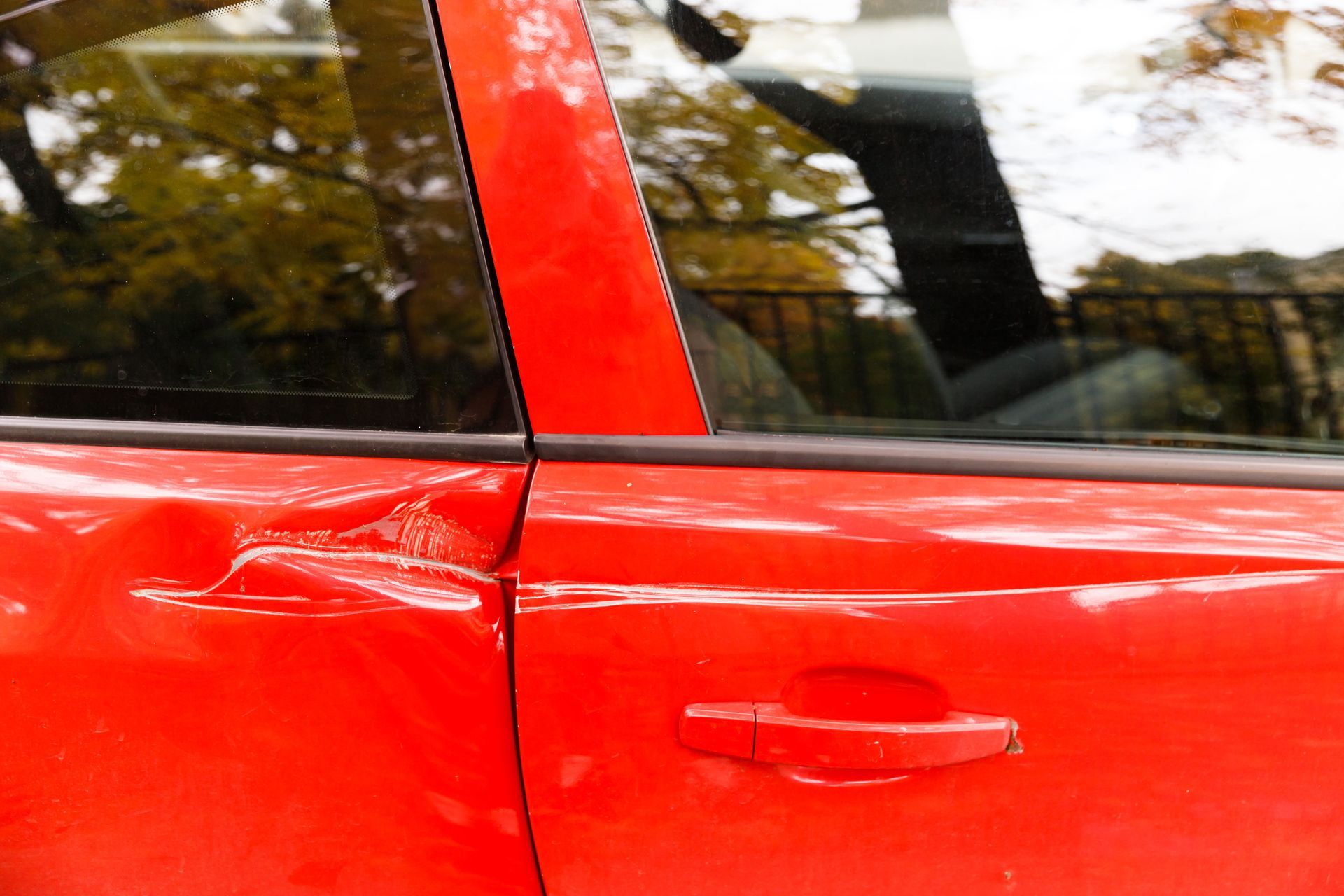
A professional car painting shop can also repair existing scratches and chips before they become more noticeable. The appropriate repair method depends on the depth and location of the damage. Some imperfections affect only the clear coat, while deeper scratches may penetrate the base coat or expose primer and metal. Correctly identifying the extent of damage helps technicians choose an appropriate repair process.
Keeping the exterior in good condition can reduce the accumulation of cosmetic flaws that make a vehicle look neglected. Prompt attention to chips is especially useful when bare metal is visible because restoring the coating limits continued exposure to moisture and contaminants.
Ultimately, maintaining automotive paint is part of caring for the vehicle as a whole. A professionally restored finish can refresh an aging exterior, protect vulnerable surfaces, improve visual consistency, and support the vehicle’s appeal when it is eventually sold or traded. With appropriate maintenance following the service, quality automotive paint can continue protecting and enhancing a vehicle for years, making professional refinishing a practical consideration for owners who want to preserve both appearance and condition. Contact our team at Sanders Custom Paint LLC today and learn more about our car painting services.